Bookkeeping Company Dallas.What a sale in Dallas carries
The deposit arrived as one number, and the city piece and the DART piece were still inside it. A sales deposit has to show the state, the city, and DART.
See the dates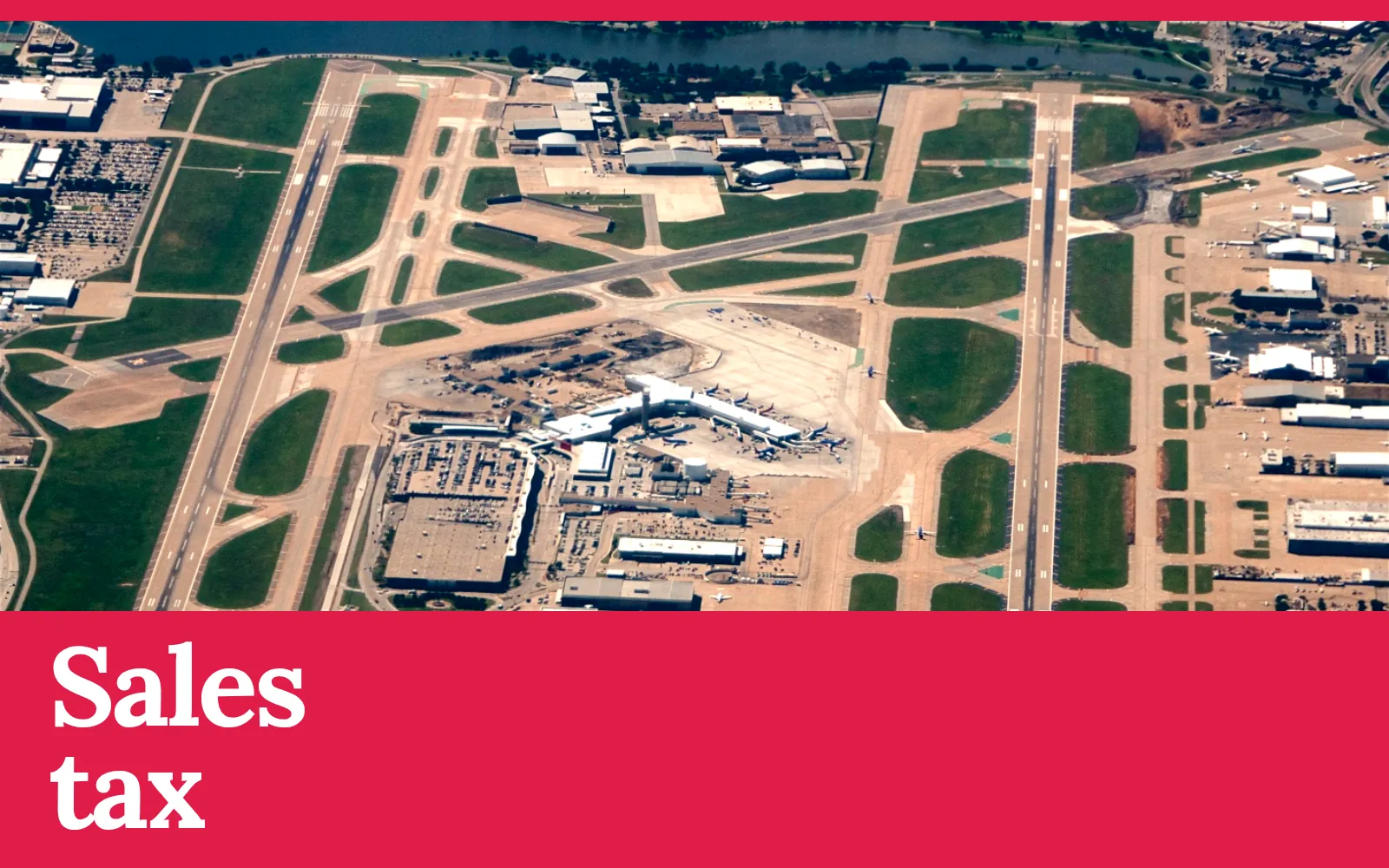
What is inside 8.25 percent
Open this section
On a shop receipt inside the city, the 8.25 a customer paid splits into three piles from the same deposit. The state keeps 6.25 points of that 8.25, the city keeps one point, and DART keeps the last point.
Nothing extra is piled on by Dallas County itself. DART holds that 1 percent of local room, and it has applied since 1984.
You file the sales tax. We keep the split inside the books so the deposit, the return, and the sales report tell the same story. We do not file the sales tax for you unless the engagement says so.
A deposit that buries the three shares in one income line will fight the sales report later. We separate them when the money lands, not in April when memory is thin.
The property report in April
Open this section
The business property report you file with the appraisal district is due on April 15. A written request to that district can push the rendition into the middle of May.
The report lists the assets the business owns. It follows the county where those assets sit, which is not always the county of the downtown courthouse when the city limit crosses a county line.
We prepare the figures from months that already closed. You sign the report. An open month is a bad source for a report you are signing.
Vehicles, computers, and shelves can live in a different county from the mailing address. We follow the assets, then the form goes to that appraisal district.
The franchise report in May
Open this section
Texas charges a franchise tax. That franchise report has to be in on May 15, filed under the legal name the bank account already uses.
That legal name should be the same name the bank deposit uses. If the door says something else, the franchise report still uses the legal name.
The report is prepared from the same closed months as the federal return. Cleaning up the past months is what makes May quiet. Managing the present month is what keeps next May quiet too.
If the legal name and the deposit name still differ in March, May is the wrong month to discover it. We compare them when the books are opened.
A shop on the Love Field side
Open this section
Love Field is the close-in airport on the northwest side of the city, and Southwest keeps its headquarters there. We can appreciate a short hop from that field the same way you can. A sale rung up in a shop on that side still uses the city rate.
The deposit from that sale still has to separate the state share, the city share, and the DART share. Location inside the city does not change the split. Forgetting the split is what makes the sales report fight the books.
If you sell in more than one city, the rate can change when the city changes. Tell us which cities you ship to or ring up, and the books can carry more than one rate.
A weekend of flights does not close the sales month. The deposit does, once the three shares are visible.
What to decide before the year ends
Open this section
November is late, and it is not too late. Owner pay, a large purchase, and the timing of a deposit can still change the year if you decide while the months are open.
Once December is closed, the choices are only a record. We would rather hold that conversation in November, while a purchase can still move the year.
Bring the last sales filing and the last closed month. We will show you where the three shares sit, and what is still open.
If the last filing and the books disagree, we start with that gap. The return should not be the first place the difference shows up.
The report due on the 20th
Open this section
The sales report for a month has to be filed by the 20th of the next month. When that day falls on a weekend or a holiday, it moves to the next business day.
You file that report. We keep the state share, the city share, and the DART share in the books before the 20th, so the form is a copy of the month rather than a reconstruction.
DART's 1 percent carries local code 3057994 on the Comptroller transit page, and it has applied since the start of 1984. The city 1 percent is a different line on the same report.
Local tax stops at 2 percent, which is why 6.25 plus the city plus DART lands on 8.25 and does not keep climbing. Step across the city line and the pile on the receipt can change. Tell us the address where the sale happens.
The May report still gets filed
Open this section
On the 2026 franchise report, the Comptroller sets the no-tax-due line at 2.65 million of annualized total revenue. Under that line the tax itself is zero.
Even when the franchise tax itself is zero, the public information report, and also the ownership information report, is still due that May. We build those May figures from the closed months, and the signature on the report is yours.
Retail and wholesale use a different margin rate from most other businesses. The margin rate we apply is the rate for the year on the form, and we will not blend two years to make the page look simple.
Property tax on the building follows the school district where the building sits. The city contains more than one district, so this page quotes no single rate for every address. The business property report is a separate filing. It lists assets, and it follows the county where those assets sit.
Ask about the sales deposit
Say whether sales tax is already in the books, and which month last closed.

You will be talking to the Steven Palmieri practice.